Fish Filleting Knives for Precision and Convenience
Fish filleting knives are essential for anyone preparing fish. They offer a range of options, from bendable to stiff blades, tailored for various filleting needs. The proper blade length and material can greatly impact the usability and precision. Comprehending these factors is essential for both novices and seasoned cooks. Yet, many are unaware of the nuances that can improve their filleting skills. What factors should one keep in mind when selecting the perfect knife?
Styles and Characteristics of Fish Filleting Knives
Fish filleting knives exist in multiple types, each intended to enhance the precision and convenience of the filleting process. Common types include flexible, stiff, and electric filleting knives. Flexible tools feature a pliable blade, permitting for complex cuts and clean separation of the flesh from the bone. Stiff tools, on the other hand, afford more control for larger fish, making it easier to handle tough skin and bones. Electric filleting knives speed up the operation, passing through fish with minimal effort, ideal for those deboning multiple fish at once.
Additionally, the blade materials vary, with stainless steel being popular for its rust resistance and durability. Features such as ergonomic grips and non-slip grips support safety and comfort during use. Each variation and feature is built to cater to different skill levels and choices, ensuring that both novice and experienced anglers can achieve excellent results while filleting their catch.
Guide to Choosing the Correct Blade Length when Cleaning Fish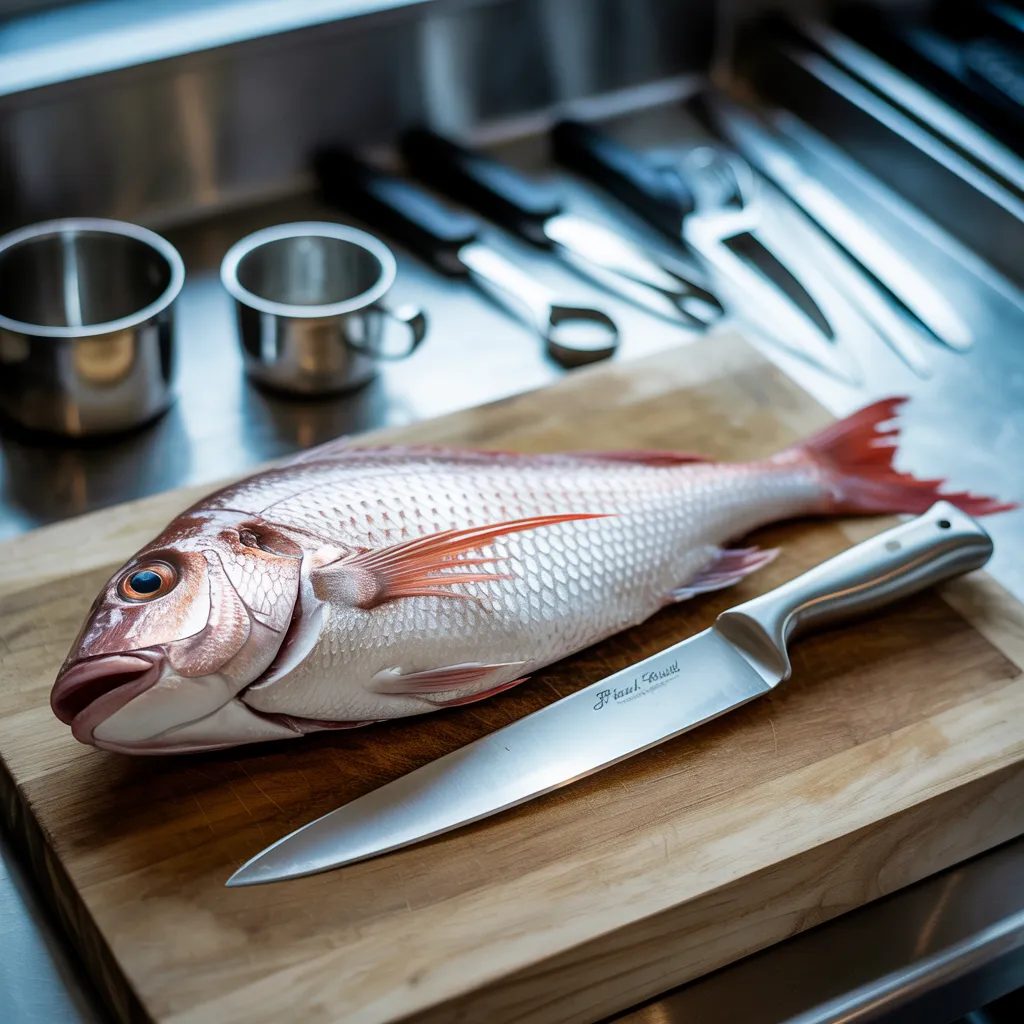
Picking the appropriate blade length for filleting is important for achieving precise cuts and ideal results. As a rule, the blade length should align with the size of the fish being processed. For smaller species like trout or perch, a blade length of 6 to 7 inches is often adequate, allowing for flexibility and control. Conversely, larger fish such as salmon or tuna benefit from longer blades, typically ranging from 8 to 10 inches.
A extended blade enables clean, sweeping cuts along the fish’s body, reducing the chance of damaging its flesh. In addition, the blade’s flexibility plays a critical role; a more flexible blade can conform better to the fish’s contours, improving both precision and convenience. Ultimately, the proper blade length combined with pliability guarantees effective filleting, making the task easier and yielding better results.
Top-Tier Components for Fish Filleting Knives
When examining the finest substances for fish filleting knives, the selection of blade makeup greatly impacts results. High-carbon stainless steel is frequently favored for its excellent edge durability and resistance to rust, making it ideal for wet environments. This material achieves a balance between longevity and sharpness, allowing for precise cuts.
An additional favored alternative is bendable stainless steel, which enhances mobility when filleting, providing you the capability to move through bones and skin effortlessly.
Many knives rely on ceramic blades, lauded for their impressive durability and freedom from rust; nonetheless, they can become easily damaged and may chip under stress.
Handle material also serves a vital function, with options ranging from wood to synthetic composites, each delivering varying levels of grip and comfort. Ultimately, the choice of materials controls not only the knife's performance but also the user's overall experience in filleting fish.
Key Steps for Processing Fish: A Beginner's Manual
In the domain of fish filleting, picking the appropriate knife is vital for producing clean cuts and decreasing waste. Grasping the methodical process of filleting can substantially enhance the skill set of a beginner. Mastering these essential techniques sets the foundation for efficient and efficient fish preparation.
Finding The Ideal Kitchen Knife
Selecting the proper knife is essential for attaining accurate and effective fish filleting. Various factors influence this decision, such as blade bendability, length, and material. A flexible blade allows for better maneuverability around bones, making it easier to divide the meat from the bone structure. Generally, filleting knives range from 6 to 9 inches in length, with longer blades designed for larger fish. Furthermore, high-carbon stainless steel is commonly preferred for its sharpness and durability. Grip comfort also plays a crucial role; a properly crafted grip reduces fatigue during extended work. In the end, selecting a knife that balances these elements will significantly improve the filleting experience, ensuring clean cuts and minimizing waste.
Step-By-Step Filleting Technique
Mastering the methodical filleting method transforms a whole fish into beautiful, boneless fillets. The journey begins with securing the fish on a cutting board, assuring stability. Next, utilizing a sharp filleting knife, one should make a cut behind the gills, cutting down to the backbone. With the knife angled, the fillet is then delicately separated from the bones, adhering to the contour of the spine. Once the first side is done, the fish is flipped to repeat the process on the other side. After both fillets are removed, it's essential to trim away any remaining bones and skin. Finally, washing the fillets under cold water guarantees they are clean and ready for cooking. This technique yields precise, professional results.
Tips for preserving Your Fish Filleting Knife to ensure lasting functionality
Proper care of a fish filleting knife is critical for prolonging its working life and superior performance. Routine cleaning following explore this topic each application is important. The knife needs washed in warm soapy water, preventing the use of abrasive cleaners that could damage the blade. It's critical to completely dry the knife to eliminate corrosion and rust, notably if it's made of carbon steel.
Sharpening the edge is another crucial aspect of maintenance. Using a sharpening stone or honing rod can help maintain the sharpness, ensuring clean cuts during filleting. It is advisable to sharpen the knife regularly, depending on the frequency of use.
Storing the knife properly will also extend its life. A knife sheath or magnetic holder can protect the blade from damage and keep it securely stored. Additionally, regular oiling of the blade can avoid moisture accumulation and rust. By following these procedures, the durability and performance of a fish filleting knife can be greatly enhanced.
Premium Fish Filleting Knife Vendors for Every Skill Level
When determining a fish filleting knife choice, devotees and authorities alike can leverage reviewing different brands that fulfill requirements of assorted experience levels. For newcomers, brands like Rapala and Morakniv offer affordable, user-friendly options that underscore ease of use and safety. These knives often feature satisfying handles and flexible blades, rendering them suitable for inexperienced anglers.
Intermediate users may gravitate towards brands such as Dexter Russell and Bubba Blade, which provide a balance of quality and performance. Their knives often feature durable materials and ergonomic designs, allowing for more precise filleting techniques.
For seasoned experts, companies like Wüsthof and Global distinguish themselves with their premium craftsmanship and high-quality steel. These knives are designed for precision, delivering excellent control and longevity. By examining these leading manufacturers, anglers at any proficiency level can enhance their fillet work, thereby producing superior results on the water.
Commonly Raised Questions
Can Fish Filleting Knives Be Utilized for Other Types of Meat?
Fish filleting knives can be employed for other types of meat, although their design primarily is meant for fish. Their flexibility and sharpness may enable filleting poultry or trimming meats, albeit with less efficiency.
How Often Should I Hone My Fish Filleting Knife?
A fish filleting knife should be maintained regularly, ideally after every few uses, to maintain its precision. Frequent sharpening helps guarantee clean cuts and boosts the overall experience while preparing fish or other meats.
Is Investing in Electric Filleting Knives Worthwhile?
For those seeking rapid and effortless filleting, electric filleting knives can justify the expense. They minimize effort and deliver consistency, especially among those who fillet often, though traditionalists who value manual techniques may not find them appealing.
What Is the Best Way to Store a Filleting Knife?
The optimal method for keeping a filleting knife is within a knife case or knife block, ensuring the blade stays sharp and secure. Additionally, storing it in a dry setting reduces rust and damage.
Is a Filleting Tool Appropriate for Removing Fish Skin?
Yes, a fillet knife can be utilized for removing the skin from fish. Its flexibility and sharpness permit for exact incisions, making it effective for separating skin from flesh. Careful technique ensures excellent results and reduces excess during the process.